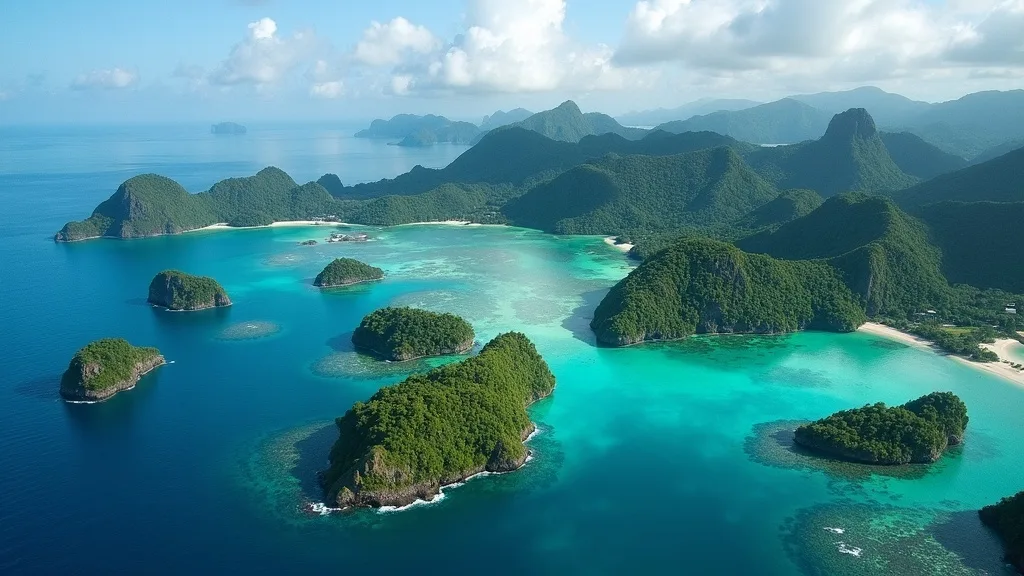
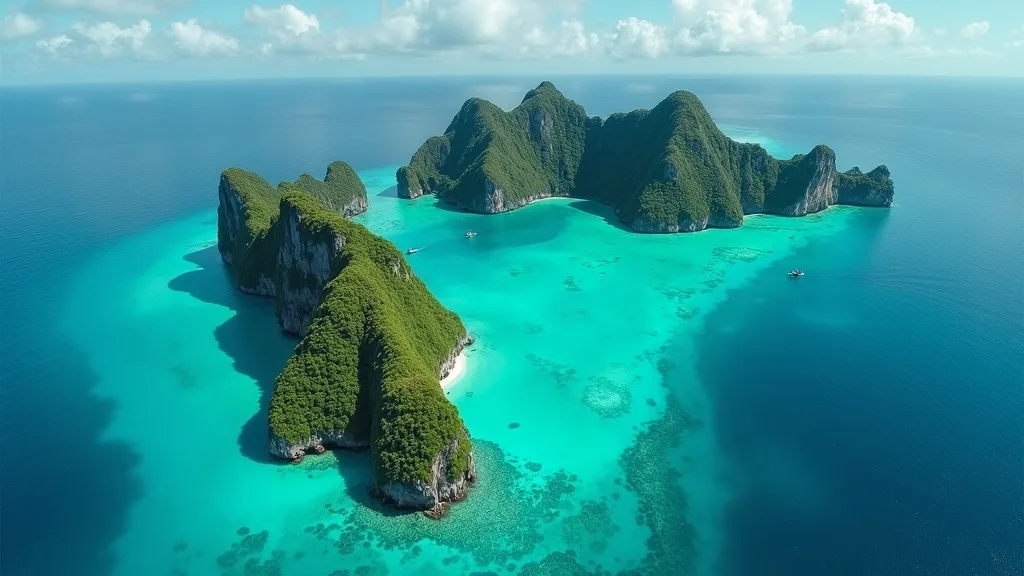
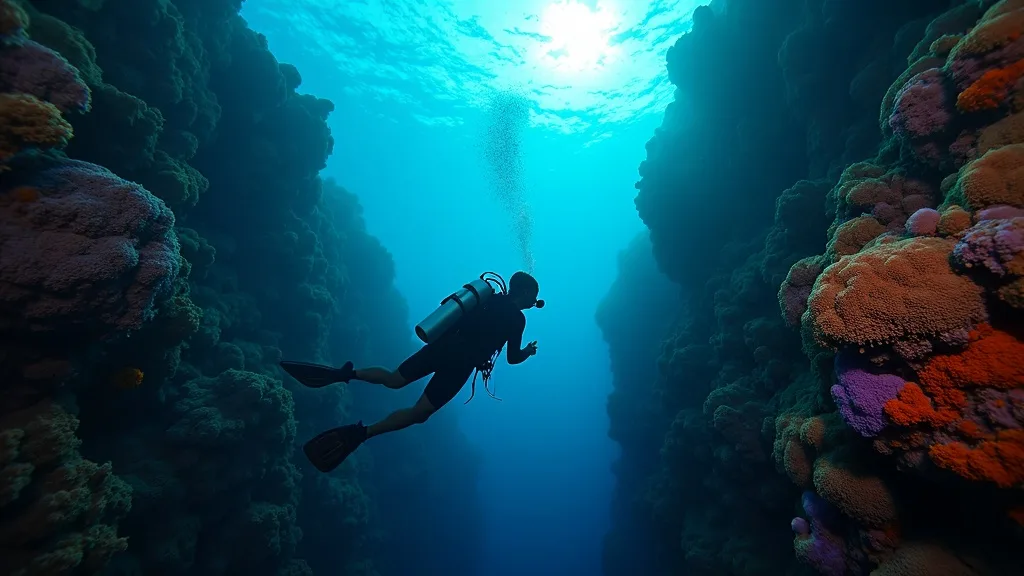
For the best Raja Ampat snorkeling for spotting wobbegong sharks in 2027, focus on areas with sandy bottoms and coral bommies such as Misool and the Dampier Strait. Epaulette sharks are typically found in shallow reef flats, particularly around Mansuar and Kri. Early morning or late afternoon offers prime visibility for both species.
Spotting Wobbegong & Epaulette Sharks: Raja Ampat Snorkeling 2027
Raja Ampat consistently delivers extraordinary snorkeling, and 2027 promises to be no exception, particularly for those keen on encountering its unique shark species. Wobbegong sharks, with their distinctive flattened bodies and tasselled camouflage, and the captivating epaulette sharks, known for their ‘walking’ ability across the seabed, are high on many snorkelers’ wish lists. Understanding their habitats and behaviours is key to a successful encounter.
The archipelago’s rich biodiversity supports these fascinating creatures. Wobbegongs, also known as carpet sharks, are typically ambush predators, blending seamlessly with the seafloor. They favour sandy patches adjacent to coral reefs, often found resting under ledges or within coral formations. Epaulette sharks, conversely, are often observed in very shallow water, sometimes only knee-deep, using their pectoral fins to ‘walk’ over coral flats and foraging for small invertebrates.
Planning your 2027 Raja Ampat snorkeling expedition with these targets in mind means focusing on specific areas and timings. Early morning or late afternoon often provides better opportunities, as these sharks can be more active or visible when light conditions are softer. Night snorkeling, if offered by your tour operator, can also reveal epaulette sharks in their hunting phase.
Where to Find Wobbegong Sharks in Raja Ampat 2027
For wobbegong sharks, your best chances lie in the southern regions of Misool and the central Dampier Strait. Misool’s intricate labyrinth of karst islands and rich reef systems provides ample hiding spots. Locations such as the reefs around Boo Windows and Fiabacet are renowned for their healthy ecosystems, which support a variety of shark species. When snorkeling, look for sandy channels between coral bommies or under large coral overhangs. Their camouflage is exceptional, so patience and a keen eye are essential. Often, only a slight movement or the outline of their flattened head will give them away.
In the Dampier Strait, areas like Cape Kri and Mansuar Island also offer good prospects. The strong currents here bring nutrient-rich waters, contributing to a vibrant marine environment. While drift snorkeling, pay close attention to the bottom topography where coral meets sand. Many Raja Ampat snorkeling tours specifically target these areas due to their consistent marine life sightings.
Raja Ampat Snorkeling Locations for Epaulette Walking Sharks 2027
Epaulette sharks are more commonly found in the northern parts of Raja Ampat, particularly around Mansuar, Kri, and Gam islands. These sharks prefer very shallow reef flats, often with a mix of rubble and live coral, where they can search for small crabs and other invertebrates. Specific sites like Yenbuba Jetty on Mansuar and the extensive reef flats around Kri are prime locations. It is not uncommon to spot them in water less than a metre deep, especially during low tide. They are remarkably tolerant of human presence, allowing for excellent observation opportunities, provided you maintain a respectful distance and avoid startling them.
Identifying epaulette sharks is straightforward due to the large, dark, ocellated spot (resembling an epaulette) above each pectoral fin. Their unique method of ‘walking’ is a truly memorable sight for any snorkeler. Tours that include night snorkeling often highlight the increased activity of these sharks after dark. For those considering family-friendly Raja Ampat snorkeling tours, these shallow encounters with epaulette sharks are often a highlight.
Raja Ampat Snorkeling Marine Life Identification 2027
Beyond the sharks, Raja Ampat’s reefs teem with an astonishing array of marine life. Accurate marine life identification enhances the snorkeling experience significantly. Carrying a waterproof fish identification card or having a guide who can point out species is invaluable. For wobbegongs, note their intricate patterns and flattened head with barbels. Epaulette sharks are identified by their characteristic shoulder spots and walking gait. Other notable species you are likely to encounter include:
- Manta rays (reef and oceanic)
- Blacktip and whitetip reef sharks
- Green and hawksbill sea turtles
- Bumphead parrotfish schools
- Pygmy seahorses (on deeper coral fans)
- Various species of angelfish, butterflyfish, and surgeonfish
- Giant clams and diverse coral formations
Understanding the behaviour of these species, such as where manta rays feed or where turtles rest, further enriches your encounters. Many operators offer pre-snorkeling briefings that cover common species and identification tips.
Choosing Your 2027 Raja Ampat Snorkeling Expedition
When selecting a Raja Ampat snorkeling trip for 2027, consider whether a liveaboard or land-based option best suits your preferences. Liveaboards provide access to more remote sites, increasing your chances of diverse encounters, including specific shark sightings. Land-based options, often from homestays on islands like Kri or Mansuar, allow for more cultural immersion and focused exploration of local reefs.
Look for itineraries that explicitly mention visits to shark-rich areas and offer experienced guides. Some tours specialise in certain marine encounters. For instance, a "luxury 12-day Raja Ampat snorkeling expedition 2027" may include dedicated shark-spotting sessions, while "budget Raja Ampat land-based snorkeling packages" might focus on more accessible sites. Always confirm the tour’s commitment to eco-friendly practices, ensuring your visit contributes positively to the conservation of this pristine environment.
| Shark Species | Primary Locations | Optimal Conditions |
|---|---|---|
| Wobbegong Shark | Misool (e.g., Boo Windows, Fiabacet), Dampier Strait (e.g., Cape Kri, Mansuar) | Sandy bottoms, coral overhangs, early morning/late afternoon |
| Epaulette Shark | Mansuar, Kri, Gam (shallow reef flats, particularly around jetties) | Very shallow water, low tide, night snorkeling |
2027 Note: While specific 2027 search trends are not yet solidified, current interests and travel patterns strongly indicate a continued focus on unique marine encounters, sustainable tourism, and detailed species identification. The emphasis on wobbegong and epaulette shark sightings is a growing niche within the broader Raja Ampat snorkeling experience, and tour operators are increasingly tailoring itineraries to meet this demand. We anticipate these trends to hold firm through 2027.
FAQ
Where are the best places to snorkel with wobbegong and epaulette sharks in Raja Ampat in 2027?
For wobbegong sharks, the best places in 2027 are Misool (especially around Boo Windows and Fiabacet) and the Dampier Strait (Cape Kri, Mansuar) due to their sandy bottoms and coral bommies. For epaulette sharks, focus on shallow reef flats around Mansuar, Kri, and Gam islands, particularly near jetties and during low tide.
What is the best time of day to spot wobbegong and epaulette sharks while snorkeling?
For both wobbegong and epaulette sharks, early morning or late afternoon often provides better visibility and activity. Epaulette sharks are also frequently observed during night snorkeling as they become more active hunters after dark.
Do I need special equipment to snorkel with these sharks?
No special equipment beyond standard snorkeling gear (mask, snorkel, fins) is required. However, a good waterproof camera is recommended to capture these unique encounters. Patience and a keen eye are more important than specialised gear for spotting these camouflaged species.