Raja Ampat sustainable snorkeling tours focus on low-impact exploration, preserving the region’s extraordinary marine biodiversity. Operators prioritise responsible practices, including small group sizes, adherence to marine park regulations, and supporting local communities, ensuring the coral reefs thrive for future generations of snorkelers.
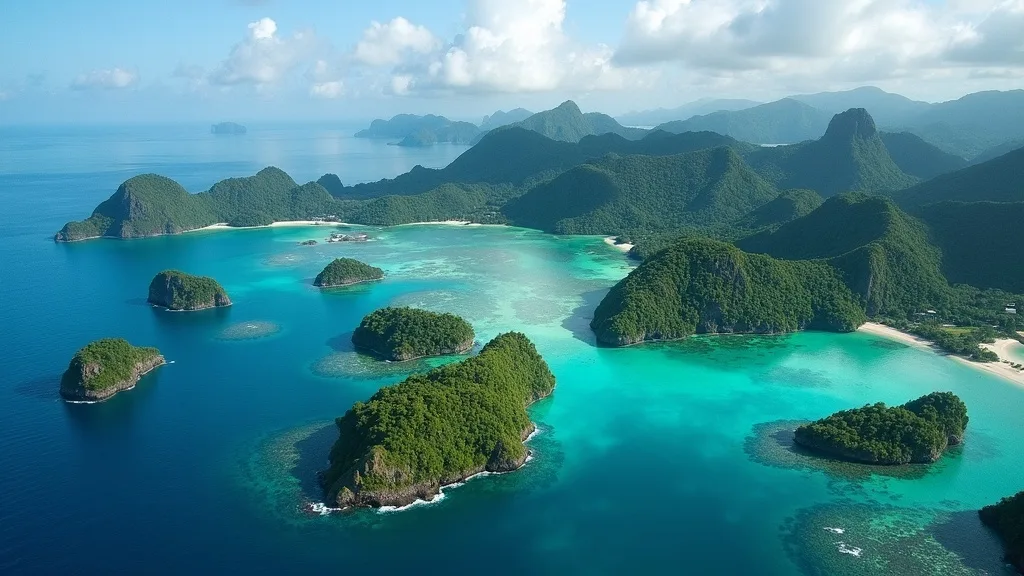
Raja Ampat, a sprawling archipelago in West Papua, Indonesia, is globally recognised as the epicentre of marine biodiversity. Its waters host over 75% of the world’s coral species and an astonishing array of fish, crustaceans, and marine mammals. For those seeking an raja ampat reef snorkeling experience, the vibrant ecosystems here offer an intimate encounter with nature’s grandeur. As interest in this remote paradise grows, so does the imperative for sustainable tourism. Our commitment is to provide enriching raja ampat sustainable snorkeling tour options that safeguard these fragile environments.
Understanding Raja Ampat’s Marine Environment for Sustainable Snorkeling
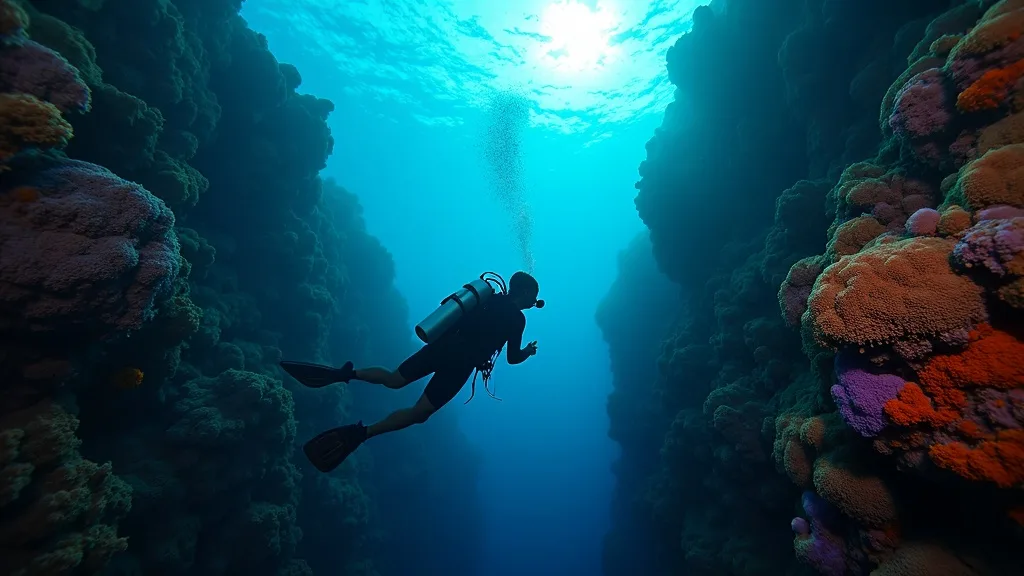
The health of Raja Ampat’s coral reefs is directly linked to responsible human interaction. The Aljui Channel, for instance, is noted for some of the healthiest reefs in the region, a to its protected status and the careful management of visitor numbers. When planning your Raja Ampat snorkeling trip, understanding the local ecology is paramount. The reefs are incredibly diverse, supporting everything from minute nudibranchs to majestic manta rays. Observing these creatures in their natural habitat requires respect for their space and adherence to established guidelines.
A key aspect of sustainable snorkeling involves choosing operators who are genuinely invested in conservation. This often means opting for small group tours, which minimise disturbance to marine life and provide a more personalised experience. Many operators collaborate with local conservation initiatives, contributing directly to the ongoing protection of these vital ecosystems. This approach ensures that your introductory Raja Ampat snorkeling guide is also an eco-conscious one.
Choosing Your Sustainable Raja Ampat Snorkeling Tour in 2027
For 2027, several options cater to varying preferences while maintaining a strong sustainability focus. Luxury 12-day Raja Ampat snorkeling expeditions often incorporate dedicated marine biologists, offering deeper insights into the ecosystem. These longer trips allow for extensive exploration while spreading out the environmental impact over more days and varied locations. Conversely, budget Raja Ampat land-based snorkeling packages, particularly from homestays on islands like Kri, offer a more community-focused and lower-carbon footprint alternative.
Liveaboard vs. Land-Based Snorkeling: Sustainable Choices
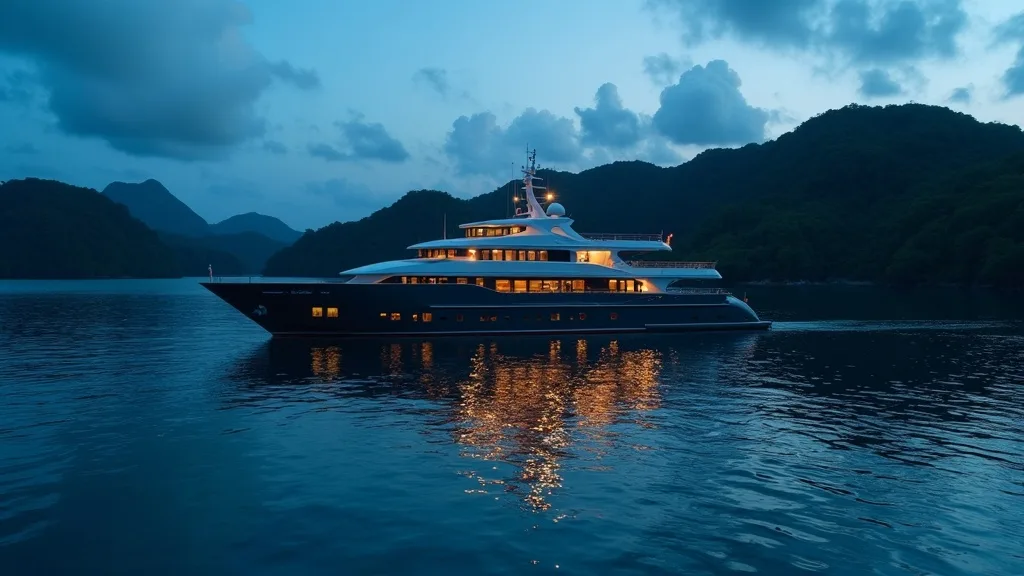
- Liveaboard Options: A liveaboard Raja Ampat snorkeling trip provides access to more remote sites. Look for vessels with waste management systems, responsible anchoring practices (or mooring to buoys), and those that source food locally.
- Land-Based Options: Land-based Raja Ampat snorkeling from Kri homestay or similar island accommodations reduces the carbon footprint associated with daily boat travel. Many homestays are locally owned and operated, directly benefiting the community.
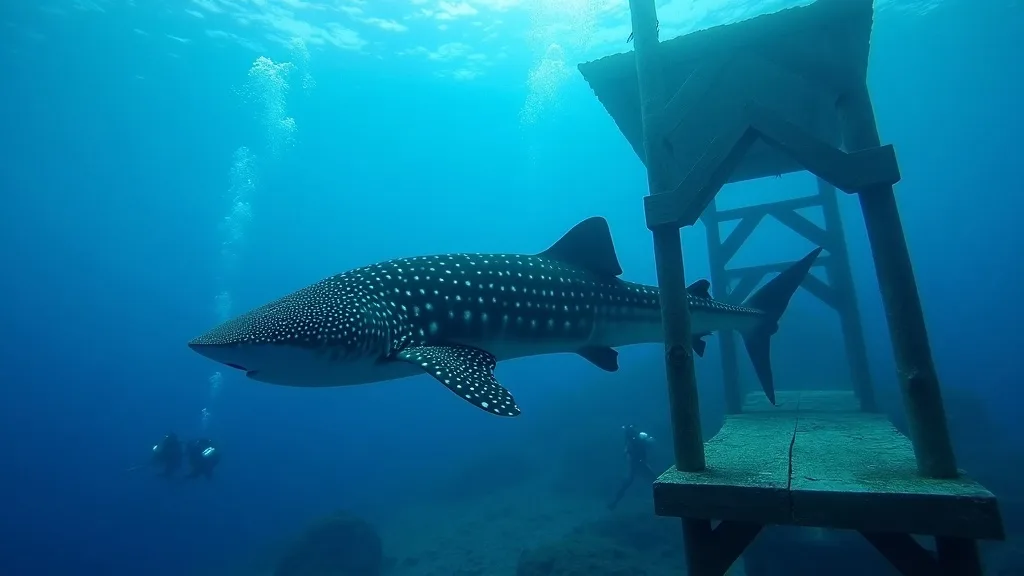
For those interested in specific marine encounters, such as the best Raja Ampat snorkeling trip for manta rays only, reputable operators will know the prime locations like Dayang Island and ensure viewing is done responsibly, without disturbing the animals. Similarly, finding the best time to snorkel Raja Ampat for wobbegong sharks often involves local knowledge that respects their natural behaviour.
Eco-Friendly Practices on Your Raja Ampat Reef Snorkeling Experience
The core of a sustainable raja ampat coral reef snorkeling experience lies in adherence to best practices. This includes:
- No Touch Policy: Never touch corals or marine life. Even a gentle touch can damage delicate organisms.
- Reef-Safe Sunscreen: Use sunscreens free of oxybenzone and octinoxate, which are harmful to corals.
- Waste Management: Minimise plastic use and properly dispose of all rubbish. Many eco-friendly Raja Ampat snorkeling trips small group initiatives actively collect marine debris.
- Responsible Boat Practices: Ensure your boat operator avoids anchoring on reefs and maintains appropriate distances from marine life. Some tours combine snorkeling with kayaking, further reducing emissions.
Consider a Raja Ampat snorkeling drift swim from Sawinggrai to Kapisawar, a unique way to experience the currents and observe diverse marine life with minimal effort, provided by operators who understand local conditions and currents.
Planning Your 2027 Sustainable Raja Ampat Snorkeling Expedition
When planning your trip for 2027, consider the climate. While the region is tropical year-round, knowing the Raja Ampat snorkeling trip avoiding wet season rain is crucial for optimal visibility and comfort. Typically, October to April offers calmer seas and clearer waters, though exceptions occur. For more flexible travellers, Raja Ampat snorkeling day tours and excursions can be tailored to prevailing conditions.
Solo travellers might consider private boat Raja Ampat snorkeling for solo travelers 2027 options, allowing for personalised itineraries while still adhering to sustainable principles. This often means working with smaller, locally-owned boat operators who are deeply connected to the marine environment and its preservation.
2027 Note: As global travel patterns continue to evolve, Raja Ampat is increasingly focusing on high-value, low-impact tourism. The emphasis in 2027 will further shift towards certified eco-operators and experiences that directly benefit local communities and conservation efforts. Early booking is advisable for popular sustainable tours and specific liveaboard options.
FAQ
What are the best sustainable snorkeling tours in Raja Ampat?
The best sustainable snorkeling tours in Raja Ampat prioritise small group sizes, use reef-safe practices, support local communities, and adhere strictly to marine park regulations. Look for operators who are transparent about their environmental policies, avoid anchoring on coral, and educate guests on responsible marine interaction. Many homestay-based packages and dedicated eco-liveaboards exemplify these principles, focusing on minimal impact and maximum conservation benefit.
How can I ensure my Raja Ampat snorkeling trip is eco-friendly?
To ensure your Raja Ampat snorkeling trip is eco-friendly, choose operators with clear conservation policies, use reef-safe sunscreen, avoid touching marine life or corals, and minimise plastic waste. Opt for land-based accommodations that support local economies or liveaboards with proper waste management. Enquire about their anchoring practices and whether they contribute to local conservation projects. Small group tours are generally more eco-conscious.
What makes Raja Ampat’s coral reefs so special for snorkeling?
Raja Ampat’s coral reefs are special for snorkeling due to their extraordinary biodiversity, boasting over 75% of the world’s coral species and an density of marine life. This includes a vast array of fish, sharks, manta rays, and unique macrofauna. The region’s pristine waters, strong currents that bring nutrients, and relatively untouched status contribute to the vibrant health and spectacular colours of its raja ampat coral reef snorkeling sites, offering an immersive experience unmatched globally.