For 2027, the best Raja Ampat snorkeling tours focused on conservation are those operating with strict adherence to marine protected area guidelines, supporting local communities directly, and minimising environmental impact through responsible waste management and reef-safe practices. Selecting operators with demonstrable conservation partnerships ensures your trip contributes positively to the region’s biodiversity.
Best Raja Ampat Snorkeling Tours Focused on Conservation 2027
Raja Ampat, a global epicentre of marine biodiversity, presents an opportunity for snorkelers. As we approach 2027, the focus on sustainable tourism intensifies, particularly within such a delicate ecosystem. Choosing a Raja Ampat snorkeling eco tour means more than just witnessing vibrant coral reefs; it means actively participating in their preservation. Reputable operators are increasingly integrating conservation principles into every facet of their expeditions, from small group sizes to direct contributions to local conservation initiatives.
The archipelago’s health is paramount, and discerning travellers in 2027 will seek out experiences that align with environmental stewardship. This includes family-friendly Raja Ampat snorkeling tours that educate participants on reef etiquette and species identification, fostering a deeper connection to the marine environment. The true value of a Raja Ampat sustainable snorkeling tour lies in its long-term impact, ensuring these pristine waters remain vibrant for future generations.
Understanding Conservation Principles in Raja Ampat Snorkeling
Conservation in Raja Ampat is not merely a buzzword; it is a critical operational philosophy. Tour operators committed to sustainable practices in 2027 will typically:
- Adhere strictly to marine park regulations, including no-take zones and speed limits near sensitive areas.
- Promote reef-safe sunscreens and discourage touching or standing on corals.
- Implement robust waste management protocols, ensuring all refuse is removed from the islands and boats.
- Support local communities through direct employment, purchasing local produce, and contributing to village-led conservation projects.
- Educate guests on the local ecosystem, encouraging responsible interaction with marine life.
Many 2027 itineraries for Raja Ampat snorkeling eco tours will specifically highlight their conservation efforts, offering transparency about where visitor fees are allocated. This commitment extends to maintaining small group sizes, which minimises disturbance at popular snorkeling sites and ensures a more intimate, less impactful experience.
A notable example is the focus on specific, healthy reef systems like the Aljui Channel, where operators might guide snorkelers to witness its robust biodiversity without overwhelming the site. The health of these reefs is continually monitored, and responsible tour providers adjust their routes to avoid areas under stress, demonstrating a genuine commitment to ecological balance. Exploring Raja Ampat snorkeling with such operators ensures a positive contribution.
Liveaboard vs. Land-Based: Conservation Considerations for 2027
Both liveaboard and land-based options offer distinct advantages for conservation-focused snorkeling in 2027:
Liveaboard Conservation Focus
Luxury 12-day Raja Ampat snorkeling expeditions for 2027, particularly on liveaboards, often have dedicated environmental policies. These vessels typically have advanced waste treatment systems, use fuel-efficient engines, and carry experienced marine naturalists who provide detailed briefings on conservation. Operators offering a Raja Ampat snorkeling tour with a dive boat and kayaking component can provide extended reach to remote, less frequented sites, spreading out visitor impact. For example, a “liveaboard Raja Ampat snorkeling trip with conservation talks 2027” would integrate educational sessions into the itinerary, discussing topics like plastic pollution or coral bleaching.
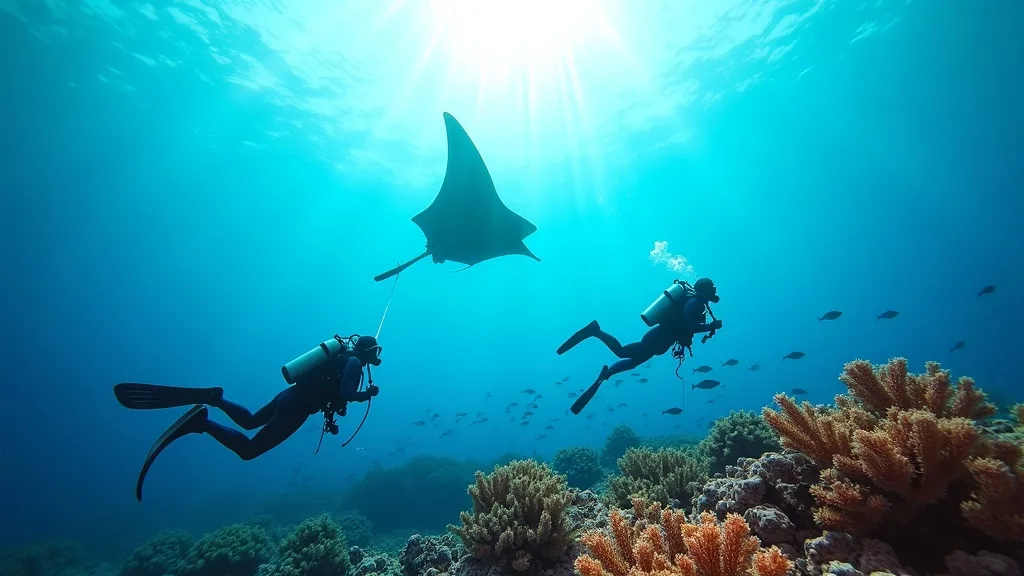
A projected search trend for 2027 is ‘private boat Raja Ampat snorkeling for solo travellers 2027’. This niche caters to individuals seeking a highly personalised experience, often allowing for bespoke itineraries that can prioritise specific conservation sites or support particular local initiatives with greater flexibility. These private charters can often access areas like Dayang Island for manta ray snorkeling, with guides who understand how to approach these majestic creatures without causing disturbance.
Land-Based Conservation Focus
Land-based Raja Ampat snorkeling from Kri homestays offers a direct channel for supporting local communities. Budget Raja Ampat land-based snorkeling packages often funnel funds directly into local economies, empowering residents to become stewards of their environment. Many homestays participate in local waste management programmes and encourage guests to minimise their footprint. A specific day trip might include a “Raja Ampat snorkeling drift swim Sawinggrai to Kapisawar,” where local guides lead the experience, ensuring adherence to respectful practices within their traditional territories.
For those interested in specific species, a “best Raja Ampat snorkeling trip for manta rays only” or “best time to snorkel Raja Ampat for wobbegong sharks” can be arranged through local guides who possess invaluable knowledge of animal behaviour and habitat, ensuring encounters are respectful and non-disruptive. This local expertise is vital for low-impact wildlife viewing.
Key Conservation Initiatives and Partnering for 2027
Several organisations are pivotal in Raja Ampat’s conservation efforts. Reputable tour operators often partner with entities such as the Raja Ampat Research and Conservation Centre (RARCC) or local NGOs dedicated to marine protection. These partnerships ensure that a portion of tour fees directly funds research, community outreach, and enforcement of marine protected area regulations.
The goal is to create a symbiotic relationship where tourism revenue directly supports conservation outcomes. For instance, a tour advertised as an “eco-friendly Raja Ampat snorkeling trip small group” might specify its contribution to a coral restoration project or a marine debris clean-up initiative. This transparency is crucial for travellers who genuinely wish their vacation to have a positive impact.
When selecting a tour for 2027, inquire about the operator’s affiliations and specific conservation programmes. A commitment to responsible tourism, as evidenced by clear policies and community engagement, is a strong indicator of a genuinely conservation-focused experience. Avoid operators with large groups or those who make vague claims about sustainability without demonstrable action.
Maximising Your Conservation Impact in 2027
As a snorkeler, you play a vital role in Raja Ampat’s conservation. Beyond choosing a responsible operator, personal actions significantly contribute. Always maintain a respectful distance from marine life, avoid touching corals, and never leave any rubbish behind. Consider bringing your own reusable water bottle and reef-safe sunscreen. Participating in educational briefings offered by your tour guide or liveaboard staff further enhances your understanding and commitment to protecting this extraordinary ecosystem.
For those planning a trip, considering a “Raja Ampat snorkeling trip avoiding wet season rain” (typically October to April for drier conditions) can also contribute to a better experience, as clearer waters often mean less sediment disturbance. However, even during the wet season, many operators maintain their conservation standards.
2027 Note: The emphasis on responsible tourism and direct community benefit is projected to grow significantly by 2027. Travellers are increasingly scrutinising the environmental and social impact of their journeys. Operators who transparently demonstrate their conservation efforts and provide tangible benefits to local populations will be the preferred choice for those seeking a truly meaningful Raja Ampat snorkeling experience.
FAQ
Which Raja Ampat snorkeling tours prioritize marine conservation in 2027?
For 2027, tours prioritising marine conservation are those with explicit environmental policies, small group sizes, and demonstrable partnerships with local conservation organisations. They often operate liveaboards with advanced waste management or land-based homestays directly benefiting local communities, adhering strictly to marine park regulations and educating guests on reef etiquette.
How can I identify a truly sustainable Raja Ampat snorkeling tour for 2027?
To identify a truly sustainable tour for 2027, look for operators who clearly detail their conservation initiatives, such as supporting local guides, using reef-safe practices, and contributing to marine protected area funds. They should have transparent waste management policies, encourage responsible interaction with marine life, and provide educational briefings on the local ecosystem. Small group sizes are also a strong indicator.
What personal actions can I take to support conservation during my Raja Ampat snorkeling trip in 2027?
In 2027, you can support conservation by never touching or standing on corals, maintaining a respectful distance from all marine life, and refraining from feeding animals. Use reef-safe sunscreen, bring a reusable water bottle, and ensure all your rubbish is properly disposed of, ideally taken back to the mainland. Actively participate in educational sessions provided by your tour operator.