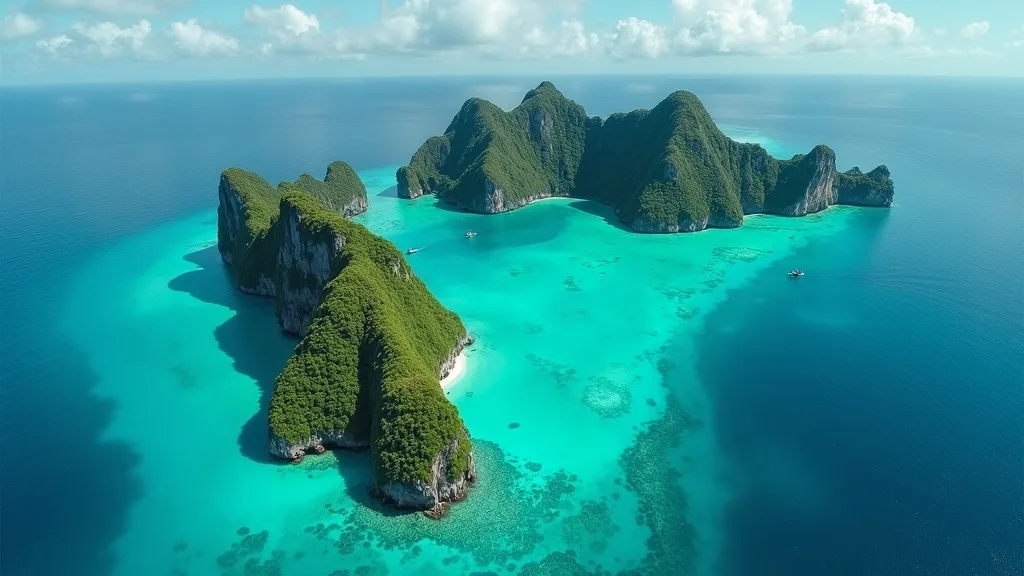
In short: 97 of the most common questions about raja ampat snorkeling, answered by our specialists.
What is the average cost for a snorkeling tour in Raja Ampat?
A budget trip for a 7-night homestay-based itinerary can cost between $600–$900 per person, excluding flights. Prices for tours can vary based on inclusions and duration.
Are there any discounts available for group snorkeling tours in Raja Ampat?
Discounts for group tours may be available depending on the operator. It’s best to inquire directly with the tour provider for specific group rates.
How do I confirm my snorkeling trip booking in Raja Ampat?
To confirm your booking, follow the instructions provided by your chosen tour operator, which typically involves a deposit or full payment.
Can I book a snorkeling tour in Raja Ampat online?
Yes, many operators offer online booking for snorkeling tours. Check the specific operator’s website for availability and booking procedures.
What equipment is included in a Raja Ampat snorkeling tour package?
Tour packages often include basic snorkeling gear like masks, snorkels, and fins. Confirm with your operator for specific inclusions.
Do snorkeling tours in Raja Ampat include meals?
Some tours may include meals, but it’s important to verify this detail with the tour provider before booking.
How long do snorkeling tours in Raja Ampat typically last?
Snorkeling tours can vary in length, but most last a few hours to a full day. Multi-day packages are also available.
What is the best way to travel to Raja Ampat for snorkeling?
The best way to travel is to fly to Sorong, then take a ferry or speedboat to the islands. Check local transport schedules for details.
Are there age restrictions for snorkeling in Raja Ampat?
Age restrictions can vary by operator, so it’s advisable to check directly with the tour provider for any specific requirements.
Do I need to be a strong swimmer to snorkel in Raja Ampat?
While being a strong swimmer is beneficial, many tours cater to all skill levels. It’s recommended to inform the guide of your swimming capability.
Is snorkeling in Raja Ampat safe for children?
Snorkeling is generally safe for children, but it’s crucial to ensure they are comfortable in the water and supervised at all times.
Are guides on Raja Ampat snorkeling tours certified?
Certification levels of guides can vary. It’s recommended to choose operators known for experienced and knowledgeable guides.
When is the peak season for snorkeling in Raja Ampat?
The peak season for snorkeling is generally from October to April, when sea conditions are calmer and visibility is better.
What months offer the best visibility for snorkeling in Raja Ampat?
The best underwater visibility is often from May to September, though surface conditions can be choppier.
How does snorkeling in Raja Ampat compare to the Maldives?
Raja Ampat offers unique biodiversity and rich marine life. The Maldives is also renowned for its clear waters, but Raja Ampat is often highlighted for its vibrant coral and fish diversity.
Is snorkeling in Raja Ampat suitable for solo travelers?
Raja Ampat is suitable for solo travelers, with many operators offering packages that cater to individual needs. Learn more.
What should I pack for a snorkeling trip to Raja Ampat?
Pack essentials like sunscreen, a hat, swimwear, a rash guard, and personal snorkel gear if preferred. Also consider reef-safe sunscreen and a dry bag.
What is the cost of renting snorkeling gear in Raja Ampat?
The cost of renting snorkeling gear can vary, so it’s advisable to check with local providers for current rates.
Are there any hidden costs in Raja Ampat snorkeling tours?
Hidden costs can include park entry permits and equipment rental fees. It’s wise to confirm all costs with your tour operator upfront.
Can I pay for my Raja Ampat snorkeling tour with a credit card?
Many operators accept credit cards, but it’s best to check in advance and prepare for possible transaction fees.
What information do I need to provide when booking a snorkeling tour in Raja Ampat?
When booking a snorkeling tour in Raja Ampat, you typically need to provide your full name, contact details, and preferred dates. Some operators may also ask for information on any dietary restrictions or medical conditions.
Do snorkeling tours in Raja Ampat include transportation to the islands?
Snorkeling tours in Raja Ampat often include transportation between the islands, but it’s best to confirm the specifics with your tour operator, as arrangements can vary.
Is accommodation included in the snorkeling packages in Raja Ampat?
Accommodation is generally not included in snorkeling packages. However, some packages might offer options for homestay or resort stays at an additional cost.
What time do snorkeling tours in Raja Ampat usually start?
Snorkeling tours in Raja Ampat usually start early in the morning to take advantage of calm sea conditions and optimal visibility.
How do I get to the starting point of a snorkeling tour in Raja Ampat?
To reach the starting point of a snorkeling tour in Raja Ampat, you typically need to fly into Sorong and then take a ferry or speedboat to the islands.
Are there fitness requirements for snorkeling in Raja Ampat?
There are no strict fitness requirements for snorkeling in Raja Ampat, but a basic level of swimming ability and comfort in the water is advisable.
Is travel insurance recommended for snorkeling in Raja Ampat?
Travel insurance is recommended for snorkeling in Raja Ampat to cover potential medical emergencies, trip cancellations, or unexpected events.
Are life jackets provided during snorkeling tours in Raja Ampat?
Life jackets are typically provided during snorkeling tours in Raja Ampat to ensure safety and comfort while exploring the marine environment.
What is the rainy season in Raja Ampat like for snorkeling?
The rainy season in Raja Ampat, generally from May to September, may bring choppier surface conditions but often offers excellent underwater clarity for snorkeling.
Is it too crowded to snorkel in Raja Ampat during the holidays?
Raja Ampat can be busier during holiday periods, but the area is vast, offering many spots to find less crowded snorkeling experiences.
How does snorkeling in Raja Ampat compare to the Great Barrier Reef?
Raja Ampat offers a unique and diverse marine environment, often considered more pristine and remote compared to the Great Barrier Reef, with vibrant coral reefs and abundant marine life. Learn more.
Is Raja Ampat a good destination for beginner snorkelers?
Raja Ampat is suitable for beginner snorkelers, with many calm and shallow areas. However, it’s beneficial to have basic swimming skills and comfort in the water.
What type of clothing is recommended for a snorkeling trip in Raja Ampat?
Lightweight, quick-drying clothing is recommended for a snorkeling trip in Raja Ampat. A rash guard or swim shirt can provide sun protection while in the water.
How much should I budget for a week of snorkeling in Raja Ampat?
For a week of snorkeling in Raja Ampat, budget at least $600–$900 per person for a homestay-based itinerary, excluding flights.
Are there any cancellation fees for Raja Ampat snorkeling tours?
Cancellation fees for snorkeling tours in Raja Ampat can vary by operator. It’s important to check the specific terms and conditions when booking.
Can I book a private snorkeling tour in Raja Ampat?
Private snorkeling tours in Raja Ampat can often be arranged, though availability and pricing will depend on the operator and season.
What is the maximum group size for snorkeling tours in Raja Ampat?
The maximum group size for snorkeling tours in Raja Ampat varies, but smaller groups are common to ensure a more personalized experience.
How far in advance should I book a snorkeling tour in Raja Ampat?
It’s advisable to book a snorkeling tour in Raja Ampat several months in advance, especially during peak travel seasons, to secure your preferred dates.
Are meals provided on full-day snorkeling tours in Raja Ampat?
Meals are often provided on full-day snorkeling tours in Raja Ampat, but it’s best to confirm with your tour operator to understand what is included.
What is the typical itinerary for a snorkeling day in Raja Ampat?
A typical snorkeling day in Raja Ampat might include morning and afternoon snorkeling sessions at different sites, with breaks for meals and relaxation.
How do I reach Raja Ampat from Jakarta for a snorkeling trip?
To reach Raja Ampat from Jakarta, fly to Sorong, typically via Makassar or Manado. From Sorong, take a ferry to Waisai, the capital of Raja Ampat. Travel time can vary, so check schedules in advance.
What are the health requirements for snorkeling in Raja Ampat?
There are no specific health requirements for snorkeling in Raja Ampat, but being in good physical condition is advisable. Consider travel insurance that covers water activities.
Are there any specific vaccinations needed for Raja Ampat snorkeling?
No specific vaccinations are mandated for Raja Ampat, but it’s wise to check with a healthcare provider for recommended vaccinations for Indonesia.
Are there emergency medical services available during snorkeling tours in Raja Ampat?
Emergency medical services are limited. It’s essential to have travel insurance and be aware of the nearest medical facilities in case of emergencies.
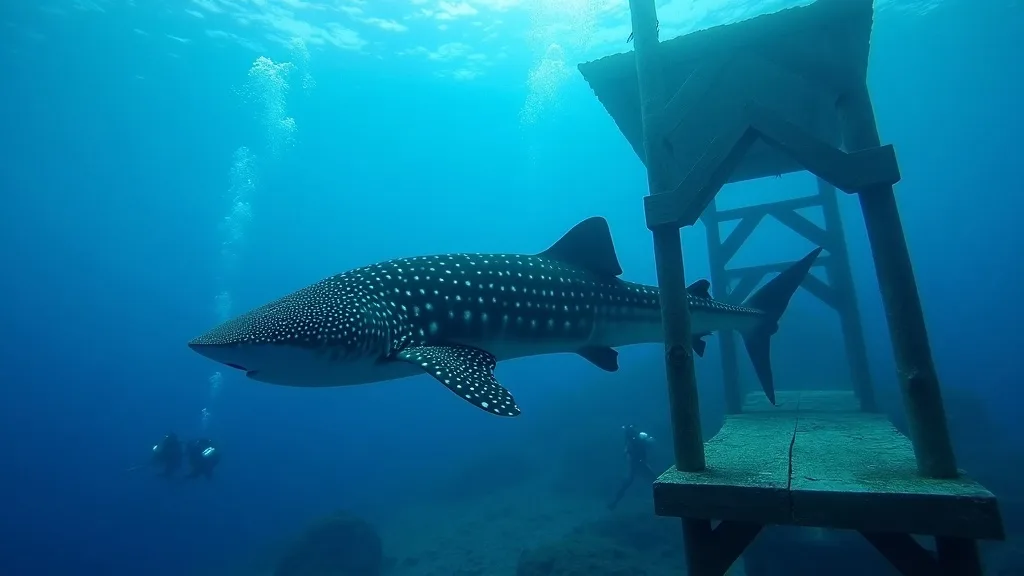
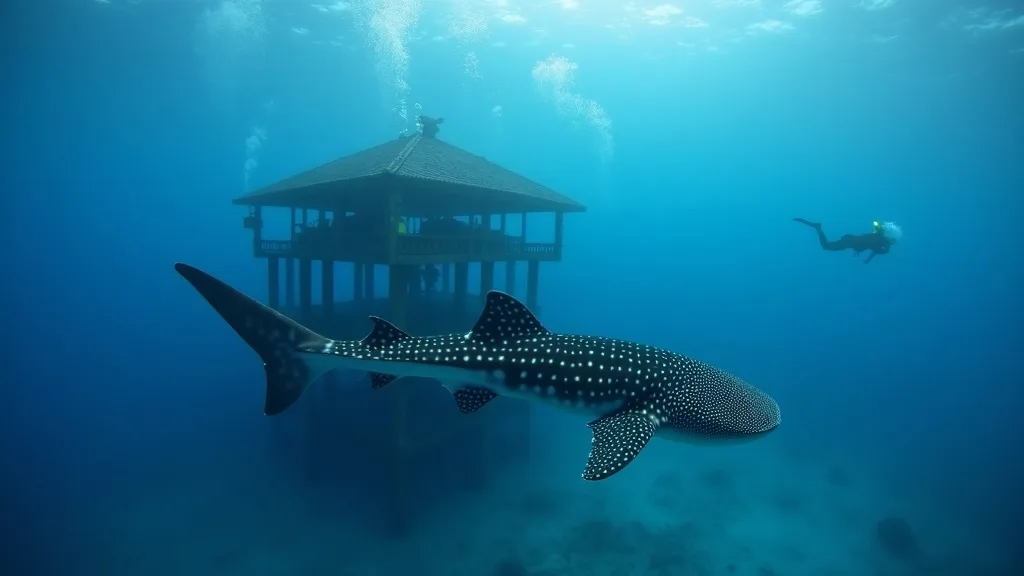
What is the best month to see whale sharks while snorkeling in Raja Ampat?
Whale sharks are occasionally spotted, but sightings are unpredictable. Consult local guides for the best chance of encounters.
Is it possible to snorkel in Raja Ampat during the monsoon season?
Snorkeling is possible during the monsoon season, but seas can be rougher. October to April typically offers calmer conditions. Learn more.
How does Raja Ampat snorkeling compare to Komodo Island?
Raja Ampat is renowned for its biodiversity and vibrant coral reefs, often considered more diverse than Komodo Island. Both offer unique experiences.
Are there family-friendly snorkeling options in Raja Ampat?
Raja Ampat offers family-friendly snorkeling spots, such as Arborek Jetty and Friwen, suitable for children with basic swimming skills.
What kind of sunscreen is recommended for snorkeling in Raja Ampat?
Reef-safe sunscreen is recommended to protect the marine environment. Look for products free of harmful chemicals like oxybenzone and octinoxate.
How much does a snorkeling guide in Raja Ampat typically cost?
The cost of a snorkeling guide varies, often depending on the location and duration of the tour. It’s best to enquire locally for accurate pricing.
Are there any additional costs for using snorkeling gear in Raja Ampat?
Some operators include snorkeling gear in their packages, while others may charge extra. Clarify with your tour provider beforehand.
Can I make a last-minute booking for a snorkeling tour in Raja Ampat?
Last-minute bookings may be possible, but availability can be limited, especially during peak season. It’s advisable to book in advance.
Is it possible to customize a snorkeling tour in Raja Ampat?
Many operators offer customizable snorkeling tours. Discuss your preferences with the tour provider to tailor the experience.
What languages do the snorkeling guides in Raja Ampat speak?
Snorkeling guides often speak English, and some may speak other languages. Confirm language options when booking your tour.
Are transfers from Sorong airport included in the snorkeling packages?
Transfers from Sorong airport may be included in some packages, but it’s best to confirm with the operator.
What is the duration of a typical liveaboard snorkeling trip in Raja Ampat?
A typical liveaboard snorkeling trip in Raja Ampat lasts around 7 to 11 nights, depending on the itinerary and operator.
How do I get from Bali to Raja Ampat for snorkeling?
Fly from Bali to Sorong via Jakarta or Makassar, then take a ferry to Waisai in Raja Ampat. Check flight and ferry schedules in advance.
What are the age limits for children on snorkeling tours in Raja Ampat?
Age limits for children can vary by operator. It’s best to check with the specific tour provider for their policies.
Is snorkeling in Raja Ampat suitable for elderly travelers?
Raja Ampat snorkeling can be suitable for elderly travelers with good mobility. Choose tours with suitable conditions and inform the operator of any special needs.
Are there any required certifications for snorkeling in Raja Ampat?
No certifications are required for snorkeling in Raja Ampat, but basic swimming skills and comfort in the water are recommended.
What safety measures are in place for snorkeling in Raja Ampat?
Safety measures typically include experienced guides and safety briefings. It’s advisable to check with individual operators for specific protocols. Learn more.
Is snorkeling better in Raja Ampat during the dry or wet season?
Snorkeling is generally year-round, but October to April offers calmer seas and better visibility, making it a preferred time.
How does snorkeling in Raja Ampat compare to snorkeling in Hawaii?
Raja Ampat offers more diverse marine life and pristine coral reefs compared to Hawaii, but both provide unique experiences.
Is Raja Ampat snorkeling suitable for couples looking for a romantic getaway?
Raja Ampat’s stunning scenery and tranquil waters make it an excellent choice for couples seeking a romantic getaway.
How much spending money should I bring for a snorkeling trip in Raja Ampat?
Costs vary, but budgeting for around $600–$900 for a 7-night homestay-based trip, excluding flights, is a good start.
Are there any penalties for changing the date of a snorkeling tour in Raja Ampat?
Penalties for changing tour dates depend on the specific operator’s policy. It’s best to confirm with them directly.
What are the payment options for Raja Ampat snorkeling tours?
Payment options for snorkeling tours vary, so check with your chosen provider for accepted methods.
Is it possible to book snorkeling tours in Raja Ampat through a travel agent?
Yes, many travel agents can arrange snorkeling tours in Raja Ampat, providing convenience and local expertise.
Are there half-day snorkeling tours available in Raja Ampat?
Half-day snorkeling tours may be available, but offerings depend on individual operators. It’s best to inquire directly.
Are there weight restrictions for snorkeling equipment in Raja Ampat?
Weight restrictions for snorkeling equipment depend on the operator. It’s best to check with them directly.
Are there any medical facilities in Raja Ampat for snorkeling emergencies?
Medical facilities are limited, so it’s advisable to have travel insurance and basic first aid knowledge.
What marine life can I expect to see while snorkeling in Raja Ampat?
Expect to see vibrant coral reefs, tropical fish, manta rays, and potentially even turtles and sharks.
Is the water clarity good for snorkeling in Raja Ampat during the rainy season?
Visibility is often better from May to September, though seas can be choppier during this period.
What is the best time to see dolphins while snorkeling in Raja Ampat?
Dolphin sightings are unpredictable, but they may be seen year-round. Consult local guides for the best opportunities.
How does snorkeling in Raja Ampat compare to snorkeling in Thailand?
Raja Ampat offers more diverse marine life and pristine coral reefs compared to Thailand, though both are excellent.
Is snorkeling in Raja Ampat a good option for a family vacation?
Raja Ampat is a good choice for family vacations, offering adventure and education in a stunning natural setting. Learn more.
What type of snacks are recommended for a day of snorkeling in Raja Ampat?
Light snacks like nuts, dried fruits, or energy bars are recommended for a day of snorkeling.
What is the cancellation policy for snorkeling tours in Raja Ampat?
Cancellation policies vary by provider. Check with your chosen tour operator for specific terms and conditions.
Are there any package deals for snorkeling and accommodation in Raja Ampat?
Some operators offer package deals combining snorkeling tours and accommodation. It’s best to contact them directly for current offers.
How do I book a snorkeling tour in Raja Ampat from overseas?
Booking from overseas can typically be done online via the tour operator’s website or through travel agencies specializing in Raja Ampat trips.
Are there any evening snorkeling tours available in Raja Ampat?
Evening snorkeling tours are uncommon due to safety concerns and reduced visibility. Check with local operators for any special arrangements.
What is the best way to travel between islands when snorkeling in Raja Ampat?
Travel between islands is usually by speedboat or local ferries, which are the most practical means given the archipelago’s layout.
Are there height restrictions for snorkeling in Raja Ampat?
There are no height restrictions for snorkeling. Participants should be comfortable in the water and able to use snorkeling gear.
Is there any specific snorkeling etiquette to follow in Raja Ampat?
Snorkeling etiquette includes avoiding touching coral, maintaining a safe distance from marine life, and not leaving any waste behind.
What is the visibility like for snorkeling in Raja Ampat during different seasons?
Visibility varies seasonally, with May to September often offering the best clarity, although seas can be choppier then.
What is the best time to see turtles while snorkeling in Raja Ampat?
Turtles can be seen year-round, but sightings depend on specific locations and conditions. Guides can offer the best advice.
How does Raja Ampat snorkeling compare to snorkeling in the Philippines?
Raja Ampat is renowned for its biodiversity, often surpassing the Philippines in marine variety and pristine conditions.
Is snorkeling in Raja Ampat a good option for adventure seekers?
Raja Ampat offers diverse marine life and stunning coral reefs, making it a top choice for adventure seekers.
What type of camera is best for underwater photography in Raja Ampat?
Underwater cameras with good low-light performance and wide-angle lenses are recommended for capturing Raja Ampat’s vibrant marine life.
What is the price range for snorkeling tours in Raja Ampat in 2027?
The price range for snorkeling tours in 2027 isn’t specified. Contact operators closer to your travel date for updated pricing.
How can I make a reservation for a snorkeling trip in Raja Ampat?
Reservations can usually be made online through the operator’s website or via travel agents specializing in Raja Ampat. Learn more.
What amenities are typically included in a Raja Ampat snorkeling tour?
Amenities vary but often include snorkeling gear, guides, and refreshments. Confirm with your tour provider for specific inclusions.
What are the travel options to reach Raja Ampat for snorkeling?
To reach Raja Ampat, fly to Sorong and then take a ferry or speedboat to the islands. Domestic flights connect Sorong to major Indonesian cities.
Are there any weight restrictions for snorkeling in Raja Ampat?
There are no specific weight restrictions, but participants should ensure they are comfortable and fit for snorkeling activities.
What safety measures are in place for snorkeling tours in Raja Ampat?
Safety measures generally include providing life vests, briefing participants on safety protocols, and having guides on hand during tours.
When is the best season to experience coral spawning while snorkeling in Raja Ampat?
Coral spawning in Raja Ampat is not precisely predictable, but generally, it’s observed around October to November.
How does snorkeling in Raja Ampat compare to Komodo National Park?
Raja Ampat offers more biodiversity and pristine conditions compared to Komodo National Park, though both are exceptional snorkeling destinations.