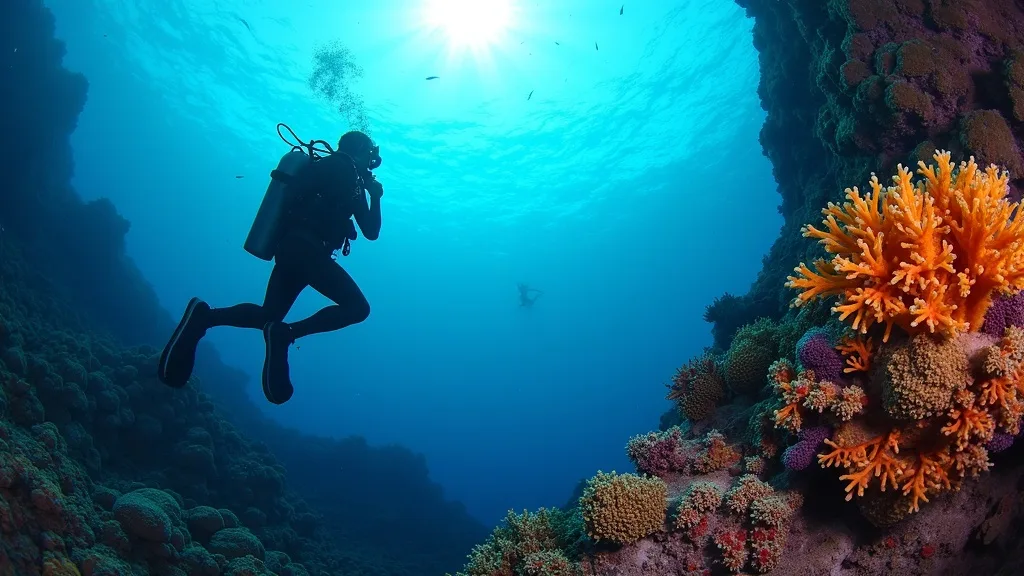
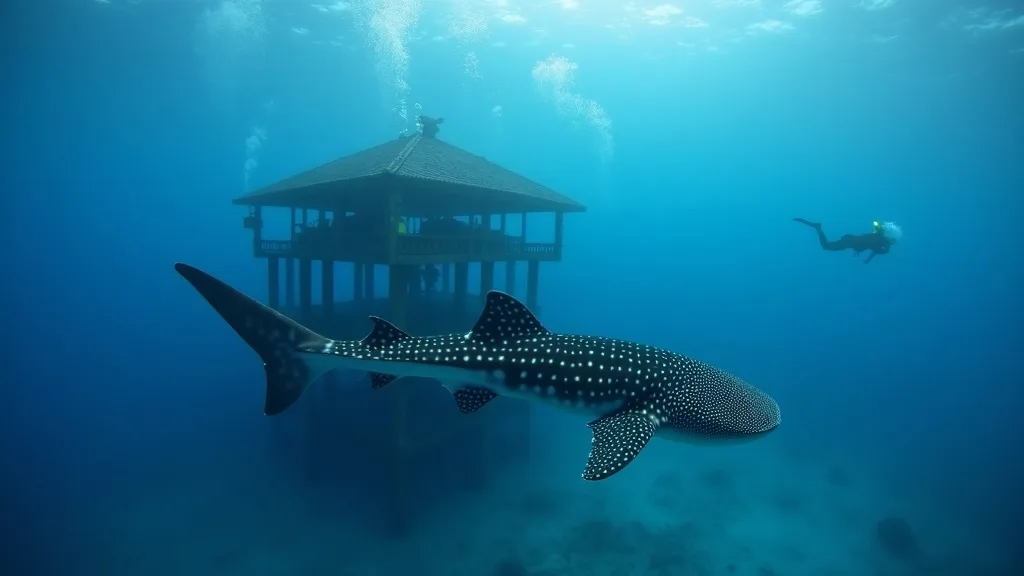
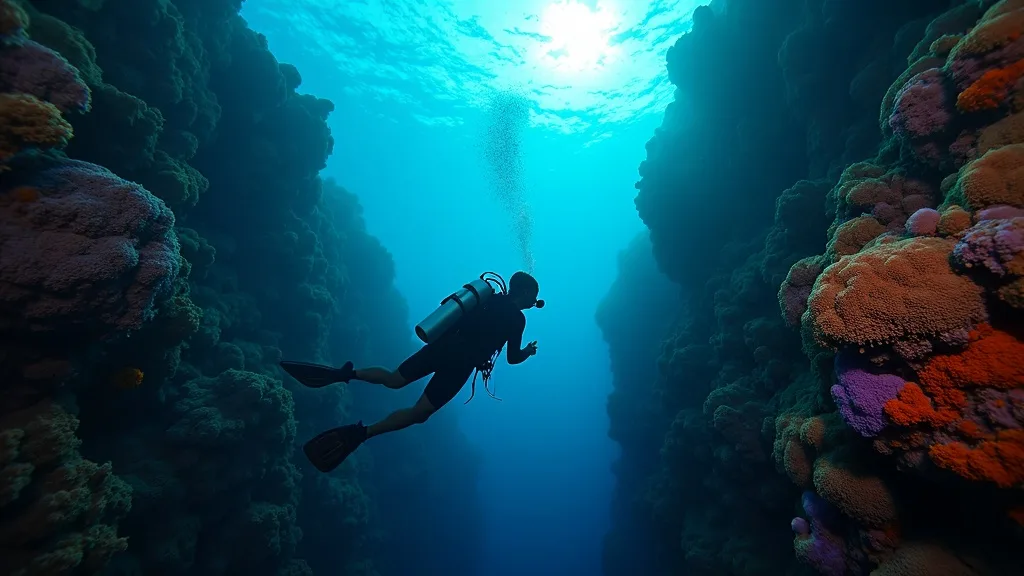
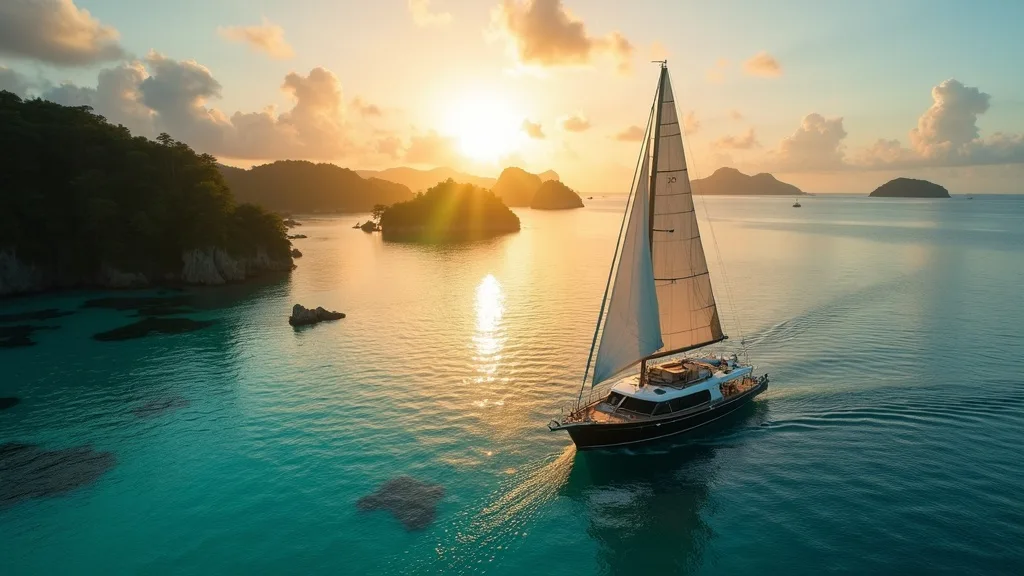
Selecting the ideal Raja Ampat snorkeling liveaboard for 2027 requires careful consideration of itinerary, vessel type, and budget. Prioritise operators with a strong reputation for safety and sustainable practices, ensuring your expedition aligns with your interests, whether focusing on manta rays or healthy reefs. Understanding the best time to visit will also refine your choice.
Planning a Raja Ampat snorkeling liveaboard trip for 2027 demands foresight. This region, renowned for its marine biodiversity, offers an array of liveaboard options, each promising a distinct experience. The key to a successful expedition lies in aligning your expectations with the right vessel and itinerary.
How to Choose a Raja Ampat Snorkeling Liveaboard for 2027
When considering how to choose a Raja Ampat snorkeling liveaboard for 2027, several factors come into play. Your personal preferences regarding comfort, group size, and specific marine life encounters should guide your selection. Researching different liveaboard types – from traditional phinisis to more modern yachts – is crucial. Each offers varying levels of amenities and a distinct atmosphere. For instance, a luxury 12-day Raja Ampat snorkeling expedition 2027 might offer private cabins and gourmet dining, while other options cater to a more adventurous, no-frills approach.
Consider the duration of the trip. A longer expedition, such as a 12-day itinerary, allows for more extensive exploration of diverse areas like the Aljui Channel, known for its healthiest reefs, and specific manta ray aggregations near Dayang Island. Conversely, shorter trips might focus on a more concentrated area, ideal if your time is limited.
Best Raja Ampat Snorkeling Liveaboard Trips 2027: Itinerary Focus
The best Raja Ampat snorkeling liveaboard trips 2027 are often defined by their itineraries. Some expeditions specifically target certain species or geological features. If your primary interest is encountering specific marine life, look for itineraries that highlight these opportunities. For example, a trip focusing on the best Raja Ampat snorkeling trip for manta rays only will likely spend significant time in areas like Manta Ridge or Manta Sandy, known for reliable sightings. Similarly, those interested in unique creatures might seek itineraries designed for wobbegong shark encounters, often found in specific shallow reef environments.
Another increasingly popular option is an eco-friendly Raja Ampat snorkeling trip small group. These trips often prioritise minimal environmental impact and support local communities, sometimes featuring interactions with local homestays on islands like Kri. Some liveaboards also offer a Raja Ampat snorkeling tour with dive boat and kayaking, providing additional ways to explore the marine environment and coastal areas.
Here are some itinerary considerations:
- Species-Specific Focus: Prioritise trips advertising encounters with manta rays, wobbegong sharks, or specific reef fish.
- Geographic Coverage: Decide if you prefer a concentrated exploration of one area (e.g., Wayag, Misool) or a broader tour.
- Activity Inclusions: Check for kayaking, village visits, or land excursions if these appeal.
- Eco-Conscious Practices: For environmentally minded travellers, research operators committed to sustainability.
Raja Ampat Snorkeling Liveaboard Cost 2027: Budgeting Your Expedition
The Raja Ampat snorkeling liveaboard cost 2027 varies significantly based on several factors, including vessel type, trip duration, cabin amenities, and inclusions. Luxury liveaboards, offering private cabins, bespoke service, and extensive facilities, will naturally command a higher price. Conversely, more budget-friendly options might feature shared cabins or simpler amenities.
When comparing costs, always ascertain what is included. Some prices might cover all meals, non-alcoholic drinks, guided snorkeling excursions, and park fees, while others may list these as additional charges. Also, consider the cost of transfers to and from Sorong, the primary to Raja Ampat. It is also worth noting that a private boat Raja Ampat snorkeling for solo travelers 2027 can be considerably more expensive than joining a group trip, due to the chartering costs.
A table illustrating potential cost considerations for 2027:
| Factor | Budget Liveaboard | Mid-Range Liveaboard | Luxury Liveaboard |
|---|---|---|---|
| Cabin Type | Shared/Dormitory | Standard Twin/Double | Private Suite/Balcony |
| Trip Duration | 3-7 days | 7-10 days | 10-14 days |
| Inclusions | Meals, basic snorkeling | Meals, non-alc. drinks, guided snorkeling | All-inclusive, premium services |
| Approx. Daily Cost (USD) | $200 – $350 | $350 – $600 | $600 – $1000+ |
Timing Your 2027 Raja Ampat Snorkeling Trip
Choosing the right time for your Raja Ampat snorkeling trip avoiding wet season rain is paramount for optimal conditions. The dry season, generally from October to April, offers calmer seas and better visibility. However, some prefer the shoulder seasons for fewer crowds. For specific experiences like a Raja Ampat snorkeling drift swim Sawinggrai to Kapisawar, calm conditions are beneficial.
Planning for 2027 means securing bookings well in advance, especially for popular liveaboards or peak travel periods. Many operators release their schedules and pricing for 2027 in late 2025 or early 2026. Keep an eye on our main Raja Ampat snorkeling page for updates and availability.
2027 Note: As travel patterns continue to evolve, early booking for 2027 liveaboard expeditions is strongly recommended. Demand for Raja Ampat remains high, particularly for smaller, eco-conscious tours. Be aware that prices are subject to change, and specific availability for popular routes, such as those targeting the healthiest reefs or prime manta ray locations, will diminish quickly.
Considering Alternatives: Land-Based Snorkeling
While liveaboards offer access to remote sites, a land-based Raja Ampat snorkeling from Kri homestay or budget Raja Ampat land-based snorkeling packages can be excellent alternatives. These options often provide a more cultural experience, allowing for interaction with local communities and a slower pace. You can still access fantastic snorkeling spots directly from shore or via local boat charters. For families, family-friendly Raja Ampat snorkeling tours 2027 often combine land-based stays with day trips, offering flexibility.
FAQ
What factors should I consider when selecting a Raja Ampat snorkeling liveaboard in 2027?
When selecting a Raja Ampat snorkeling liveaboard in 2027, key factors include the duration of the trip, the specific itinerary and areas visited (e.g., Aljui Channel, Manta Ridge), the type and size of the vessel, the level of comfort and amenities offered, the operator’s commitment to eco-friendly practices, and your overall budget. Additionally, consider the availability of guided snorkeling, the number of guests, and whether the trip aligns with your desired marine life encounters, such as focusing on manta rays or wobbegong sharks.
Is a luxury 12-day Raja Ampat snorkeling expedition worth the cost in 2027?
A luxury 12-day Raja Ampat snorkeling expedition in 2027 can be highly worthwhile for those prioritising comfort, extensive exploration, and premium services. These longer trips allow access to more remote and pristine sites, often feature higher-end accommodations, gourmet dining, and dedicated guides. The extended duration provides a comprehensive experience, increasing the likelihood of encountering diverse marine life and experiencing various ecological zones without feeling rushed. However, the value is subjective and depends on individual budget and expectations.
What is the best time to snorkel Raja Ampat for wobbegong sharks in 2027?
The best time to snorkel Raja Ampat for wobbegong sharks in 2027 generally aligns with the dry season, from October to April. During these months, sea conditions are typically calmer, and water visibility is optimal, which improves the chances of spotting these camouflaged bottom-dwelling sharks. While wobbegongs can be found year-round, the dry season offers the most reliable and comfortable snorkeling conditions across the region, making it easier to explore their preferred shallow reef habitats.